Filtering by tag: refuge

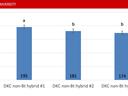
Graph showing difference in yield among three non-Bt hybrids across 5 years at the Tidewater Research Station

Non-Bt Hybrid Performance in the 2023 OVT

I’ve written previously about why North Carolina corn growers should feel comfortable planting non-Bt refuge corn, but the performance of non-Bt hybrids in the 2022 OVTs and 2023 OVTs adds one more…

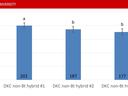
Bar chart: DKC non-Bt hybrid #1=201, #2=187, #3=177 BU/A+ with error bars.

Non-Bt Hybrid Performance in the OVT

I've written previously about why North Carolina corn growers should feel comfortable planting non-Bt refuge corn, but the performance of non-Bt hybrids in the 2022 OVTs adds one more reason to the…

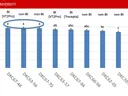
Bar chart of Bu/A yields for corn hybrids (DKC67-44 to DKC65-93) with NC STATE UNIVERSITY

Why You Should Plant Non-Bt Corn Refuge in the Southeastern U.S.

Bt corn has been genetically modified to make insecticidal proteins that protect plants from caterpillars and some root-feeding beetles. In our region, growers pay an average of around $35 more for a…

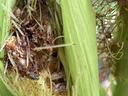
Partially husked corn ear with damaged kernels and small caterpillars among the silk

Corn Earworm Populations Are Heavy in Corn. What Does That Mean for Cotton and Soybean?

Corn earworm (aka bollworm, podworm, tomato fruitworm) populations are much higher in corn than usual. Corn is a nursery crop for this pest and high populations in corn generally mean high…

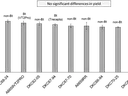
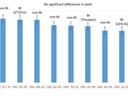
Bar chart of similar-height bars with caption "No significant differences in yield"

Why You Should Plant Non-Bt Corn Refuge in the Southeastern U.S.

Article by Daniela Pezzini, NC State Ph.D. candidate, Department of Entomology and Plant PathologyBt corn has been genetically modified to make insecticidal proteins that protect plants from…

Bar chart titled "No significant differences in yield" showing Bu/A +/- SE for nine DKC hybrids labeled non-Bt/Bt.

Non-Bt Hybrid Yield Trial 2020 Results and Why You Should Plant Non-Bt Corn as Resistance Insurance

All growers who plant Bt corn in North Carolina are required by law to plant non-Bt corn (refuge). Details are specified on the bag tag, but non-Bt corn must represent at least 20% of the total corn…

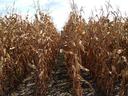
Dried corn stalks forming a narrow path through a late-season field

Non-Bt Hybrid Yield Trial Results and Why You Should Plant Non-Bt Corn as Resistance Insurance

All growers who plant Bt corn in North Carolina are required by law to plant non-Bt corn (refuge). Details are specified on the bag tag, but non-Bt corn must represent at least 20% of the total corn…